- DUI
- Criminal Defense
- Florida DUI
- Traffic Offenses
- Drug Charges
- Marijuana Charges
- Violent Crimes
- Domestic Violence
- Temporary Injunctions
- Weapons Charges
- Theft Crimes
- White Collar Crime
- Juvenile Offenses
- Sex Crimes
- Violation of Probation
- Early Termination of Probation
- Seal or Expunge Criminal Record
- Criminal Appeals
- US Federal Offenses
- Misdemeanor Charges
- Felony Charges
- Co-Defendant Cases
- College Student Defense
- College Student Hearings
- FSU Students
- FAMU Students
- Florida Panhandle Arrests
- Extradition to Florida
- Bench Warrants / Warrants
- Emergency Bond Hearings
- Gambling Charges
- Drone Arrests
- Marsy’s Law
- UAS Infractions
- Introduction of Contraband
- Lying to Police
- Locations
- Case Results
- Our Firm
- Media
- Resources
- Blog
- Contact Us



Over 100 Not Guilty Verdicts At Trial
Over 2,000 Dismissals
*Statistics Verified by County Clerk of Court Documents
View Our Case Results

Client Testimonials
- "We are very fortunate to have hired such a wonderful team!!"
- "Mr. Pumphrey and his staff are true experts at interpretation of the law and worked hard to protect my rights."
- ""He’s who you want to talk to.""
- "He took his time with my case and made sure to get me the best results."
- "Mr. Pumphrey took one look at my case and had all of the charges dismissed"
- "I have never felt so taken care of from an attorney. "
- "Without question, the best criminal defense attorney in Tallahassee."
- "Saved my life best lawyer ever!"
- "I highly recommend them for your legal needs."
- "I was referred to Mr. Pumphrey’s law firm through a mutual friend who spoke highly of him. At no surprise, he came through for me in a huge way. He was effective and efficient. If you are in need of a top notch lawyer that gets the job done, Don Pumphrey is who you need!"
- "His dedication to his clients and office is remarkable."
- "The best in the Southeast!"
- "A highly proficient and credible lawyer, but one that actually cares about you, your financial circumstances, and looking for the best options available to you. "
- "One of the finest criminal attorney's in the big bend area"
- ""Best Lawyer in Town""
Aggressive and Experienced Criminal Defense Lawyers in Tallahassee, FL
Being accused of a crime can be devastating. The arrest itself can cause harm to a person’s educational opportunities and career, even if the criminal charges are ultimately dropped.
From the moment you are accused of a crime, every action you take has serious consequences. It is important to understand your rights after the investigation begins including the right to remain silent and the right to have an attorney help you at every stage of the case. An experienced criminal defense attorney can help you navigate the complex criminal justice system.
Let Don Pumphrey, Jr., and the other attorneys at Pumphrey Law help you fight the charges. Our team can begin your defense today. Call (850) 681-7777 for a free and confidential consultation today.
Defending You Every Step of the Way
The criminal defense attorneys in Tallahassee, FL, at Pumphrey Law fight to protect clients charged with a felony, misdemeanor, or DUI offenses. Our dedicated attorneys fight every stage of the case, including:
- the earliest stage of the investigation before any arrest is made;
- any emergency bond hearing after the arrest;
- the first 21 days after the arrest while the prosecutor is deciding whether to formally file charges;
- at the arraignment and during the pre-trial status conferences;
- motion hearings to suppress or exclude the prosecutor’s evidence; and
- during a bench or jury trial.
Contact our offices at (850) 681-7777 to schedule an initial consultation, either in the office or on the phone. During the meeting, you can speak directly with our experienced criminal lawyers about the particular facts of your case. Obtaining representation as early as possible in the process helps ensure all avenues of attacking the criminal charges are available.
Pumphrey Law is located in Tallahassee, Florida. We serve clients accused of crimes in Leon County and the surrounding areas throughout Florida’s Second Judicial Circuit including Bristol in Liberty County, Crawfordville in Wakulla County, Monticello in Jefferson County and Quincy in Gadsden County. We also represent clients in the surrounding areas of the Florida Panhandle and Big Bend region.
Aggressive Attorneys Fighting to Protect Your Rights
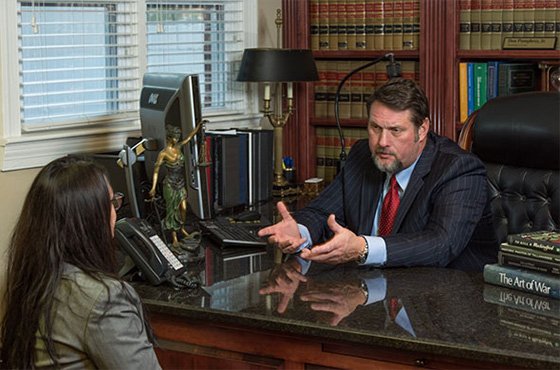
Attorney Don Pumphrey has devoted his career to representing individuals charged with criminal offenses. As a former prosecutor, Don Pumphrey understands how to attack the prosecution’s case piece by piece. Throughout more than ten (10) years in private practice as a criminal defense attorney, Don Pumphrey has represented clients from all different backgrounds.
The stakes are especially high for professionals including members of the military, law enforcement, attorneys, certified educators, school teachers, physicians, nurses and other health care professionals after an arrest for a felony or misdemeanor offense. Don Pumphrey is experienced in helping professionals deal with any licensure issues that can arise after a criminal accusation.
The best way to fight criminal charges begins with litigating pre-file motions including motions to exclude or suppress physical evidence and statements gained during an illegal stop or arrest. When appropriate, the attorneys at Pumphrey Law file and litigate motions to dismiss the charges when the prosecutor has insufficient evidence.
Don Pumphrey and the other attorney in the firm understand the Florida criminal justice system. These experienced criminal defense attorneys fight the criminal accusations aggressively at every stage of the case.
Request Your Free Case Evaluation
Please fill out the form below and a lawyer will contact you.
Case Results

Pumphrey Law Scholarship
Pumphrey Law Firm awards scholarships to college-bound seniors and college students based on demonstrated academic achievement, financial need, and an expressed interested in legal issues and legal studies. The scholarships are awarded on a a semi-annually basis.
Find out more about eligibility, requirements, deadlines and submission instructions.


Lauren Sumners: 2017 Spring Scholarship Award Winner
Read Lauren’s Winning Essay